
Take a photo
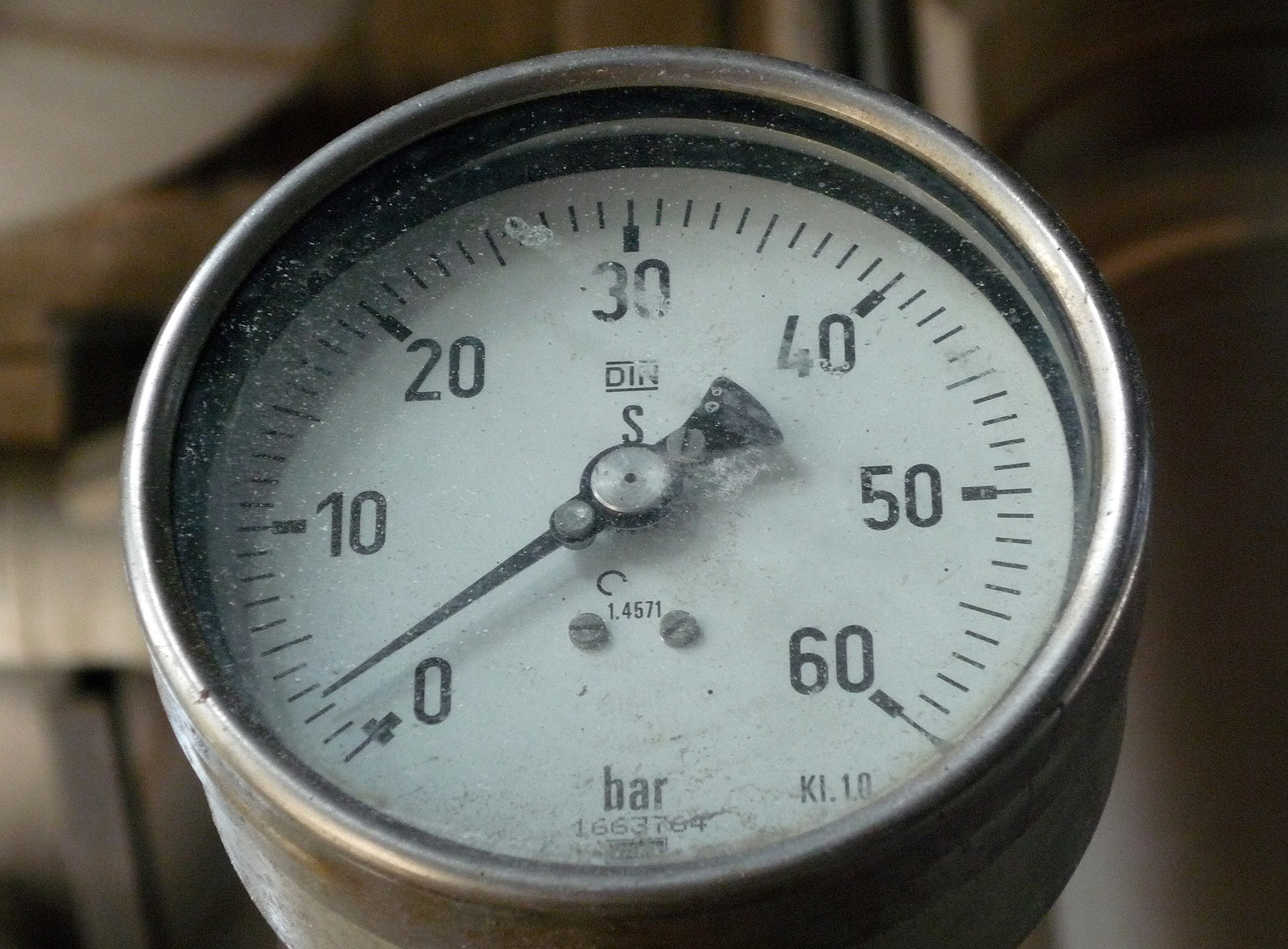 2.5 bar read from the needle96%
Photograph a gauge and the value is read from the needle. The photo stays with the reading.

Ag Storage
For crop-storage R&D and trial teams. Operators record readings on the storage floor, and each is filed under the right room, treatment and lot.
The office, shop and storage buildings, checked against the published site plan.
Rooms, treatments and lots are planned in one place and measured in another. Someone has to join them back up.
Readings go on clipboards, then get retyped at the desk.
The room plan, treatment list and lot sheet drift apart over a season.
Reviewing a trial means chasing missing readings across sheets.
Add treatment arms and assign lots to storage areas. Readings from the floor land under the area they came from.
See how readings are taken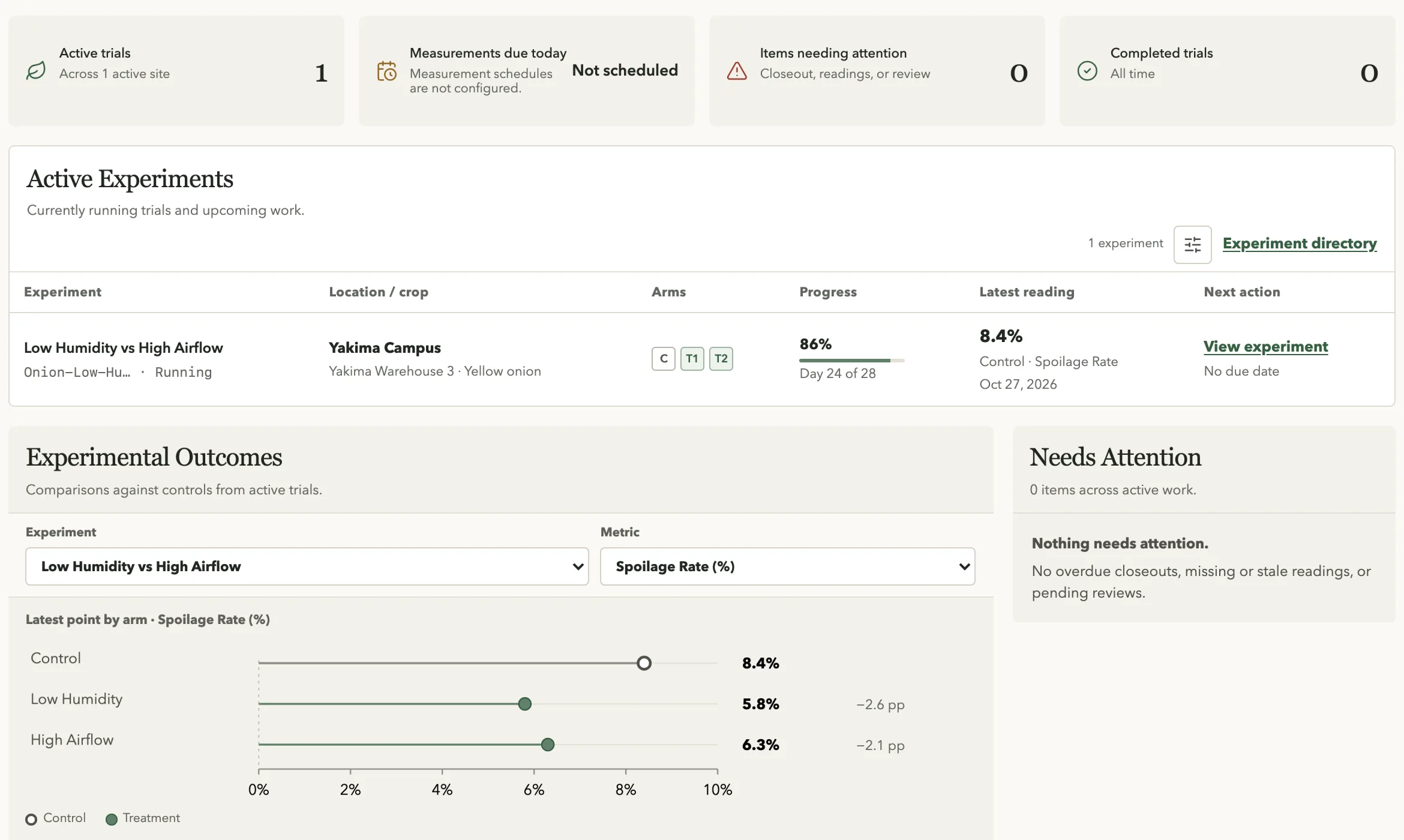
Photograph a gauge, scan a room, dial in a value or dictate a note. Operators can mix methods within one trial.
2.5 bar read from the needle96%Photograph a gauge and the value is read from the needle. The photo stays with the reading.

Walk the room with a phone to capture it in 3D, from the pile to the air ducts.
Room B2 temperature · 4.2 °C
Roll the wheels to set a reading to one decimal place. No keyboard needed.
“No condensation.
Ventilation is running.”
Dictate a condition note or a value. It is transcribed into the trial.
Gauge photo: ADwarf, public domain
Before you book a call.
No. Each part works on its own. Start by taking readings, then add the map, QR labels or treatment arms when the trial needs them.
Operators confirm or correct each value before it is saved, and a saved reading can be corrected later from the trial record.
Facility and area labels open signed-in pages for that location. Measurement labels open the capture flow for their trial and room.
No. You confirm rooms, access and storage areas on a plan that fits your building outline — a working map for the trial, not a survey.
Trials that run in storage rooms and need every reading tied to a treatment and location: sprout suppression, ventilation and curing, storage atmosphere, variety storability, disease and loss studies.